
Giclée prints are known for their high quality, vibrant colors, and the ability to bring artwork to life. If you are an artist, designer, or a small business owner looking to expand your product offerings, selling giclée prints can be a lucrative opportunity. In this guide, we’ll explore what makes the best selling giclée prints so popular, the best types to sell, and how you can use Papello’s print-on-demand services to start earning from your artwork today.
What Are Giclée Prints and Why Are They Popular?
Giclée prints are high-quality digital reproductions of artwork, typically printed on archival paper using pigment-based inks. The result is a stunning, long-lasting print that closely resembles the original work. The term “giclée” is derived from the French word meaning “to spray,” which describes the process used by the inkjet printer to apply the ink.
Art Prints vs. Originals: The Advantages of Creating Prints
The conversation about art prints, as opposed to original pieces, comes down to considerations of accessibility and scalability.
Accessibility
Original art carries the allure of being one-of-a-kind, but it often comes with a steep price tag and limited availability. On the other hand, art prints serve as a bridge, connecting the artist’s vision with a broader audience. By reproducing original artwork, artists like you can offer your work at a more affordable price, ensuring that art lovers with diverse budgets can enjoy their favorite pieces. This inclusivity fosters a broader cultural engagement, inviting more people to participate in the dialogue that art inspires.
Scalability
With art prints, you have a significant advantage when scaling. You get to meet the demand of a larger market, breaking geographical barriers that often limit the exposure of your original piece. This scalability means that you can sell an unlimited number of prints. It also allows for flexibility in product offerings, like limited edition prints, which can create a sense of exclusivity while still being more accessible than original art.
Top Types of Giclée Prints That Sell Well
To succeed in selling giclée prints, it’s important to understand which types of prints are most popular among buyers. Here are some of the best-selling categories:
- Nature and Landscape Prints
- Why They Sell: Nature-themed prints bring a sense of calm and beauty into any space, making them perfect for home decor.
- Tips: Use royalty-free or public domain images of stunning landscapes if you don’t have your own photography.
- Abstract Art
- Why They Sell: Abstract prints are versatile and can fit into a wide range of interior styles, from modern to eclectic.
- Tips: Experiment with colors and shapes that evoke emotion or match popular interior design trends.
- Animal and Wildlife Art
- Why They Sell: Animal lovers are a dedicated market, and prints of majestic wildlife or cute pets can resonate with a wide audience.
- Tips: Consider using public domain images for inspiration or collaborate with photographers to create unique prints.
- Inspirational Quotes and Typography
- Why They Sell: Typography prints with motivational quotes are a popular choice for home offices, bedrooms, and living spaces.
- Tips: Pair quotes with attractive fonts and colors that match current design trends.
- Vintage Posters
- Why They Sell: Vintage-style posters and retro art have a nostalgic appeal and are particularly popular among young adults.
- Tips: Use public domain artwork to create a unique spin on classic designs.
Digitizing Your Artwork
Creating prints of your art involves digitizing your artwork to ensure the highest possible reproduction quality. The goal is to create a print that faithfully represents the original piece’s colors, details, and “spirit.”
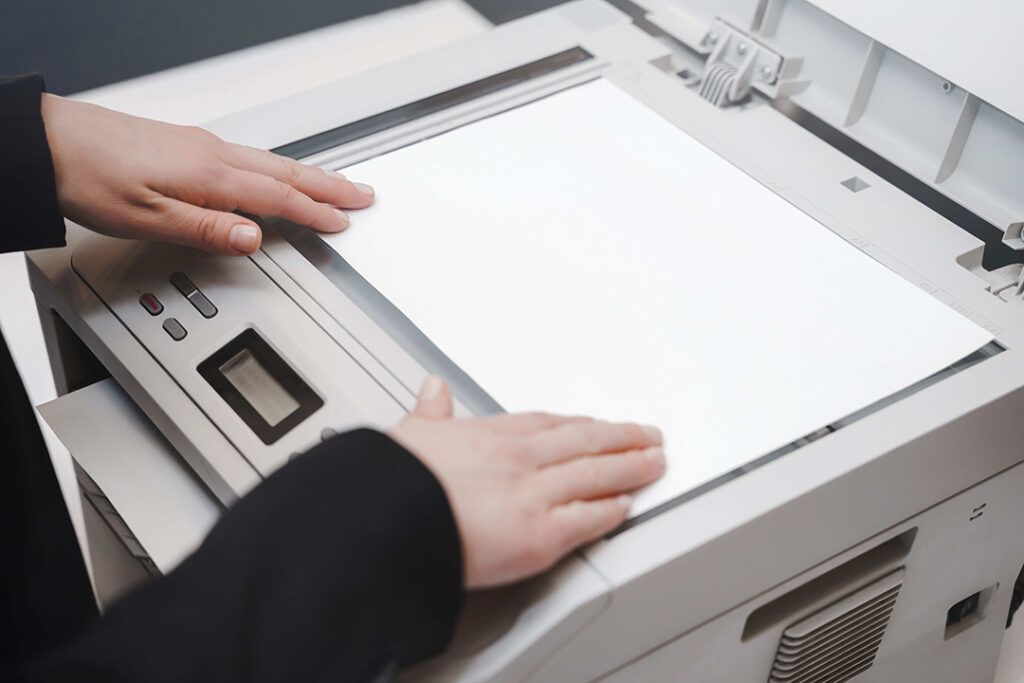
Scanning Your Artwork
- Prepare Your Artwork: Ensure your artwork is clean and free from smudges or dust. Gently wipe the surface with a soft brush to remove any particles.
- Select the Correct Resolution: Use a high-quality scanner to capture the intricate details of your art. Scan at 300 DPI or higher to ensure sufficient resolution for large prints.
- Adjust Scanner Settings: Select the appropriate color mode. Use “Coluor” for vibrant artwork and “Grayscale” for black and white art.
- Choose the Correct File Format: Save your scan in PNG format to avoid compression loss with JPEG files.
- Edit if Needed: Use image editing software to crop the edges or make minor color balance adjustments to ensure the digital version matches the original artwork.
Taking a Photograph of Your Artwork
If scanning isn’t an option, taking a high-resolution photograph is the next best step.
- Choose a Capable Camera: Use a camera with a high megapixel count, such as a DSLR or a modern smartphone.
- Ensure Excellent Lighting: Use soft, indirect natural light or evenly spaced lights at 45° angles to reduce glare.
- Setup Your Artwork: Display your artwork against a plain background to keep the focus on your piece.
- Adjust Camera Settings: Use manual mode, with a low ISO for clarity and a mid-range aperture for consistent focus. Stabilize the camera with a tripod.
- Edit if Needed: Inspect the images on a computer and fine-tune them with editing software to ensure they represent the original art precisely.
Prepare Your File for Printing
Preparing your file for printing is crucial to producing professional-quality prints that accurately represent the visual nuances of your original artwork.
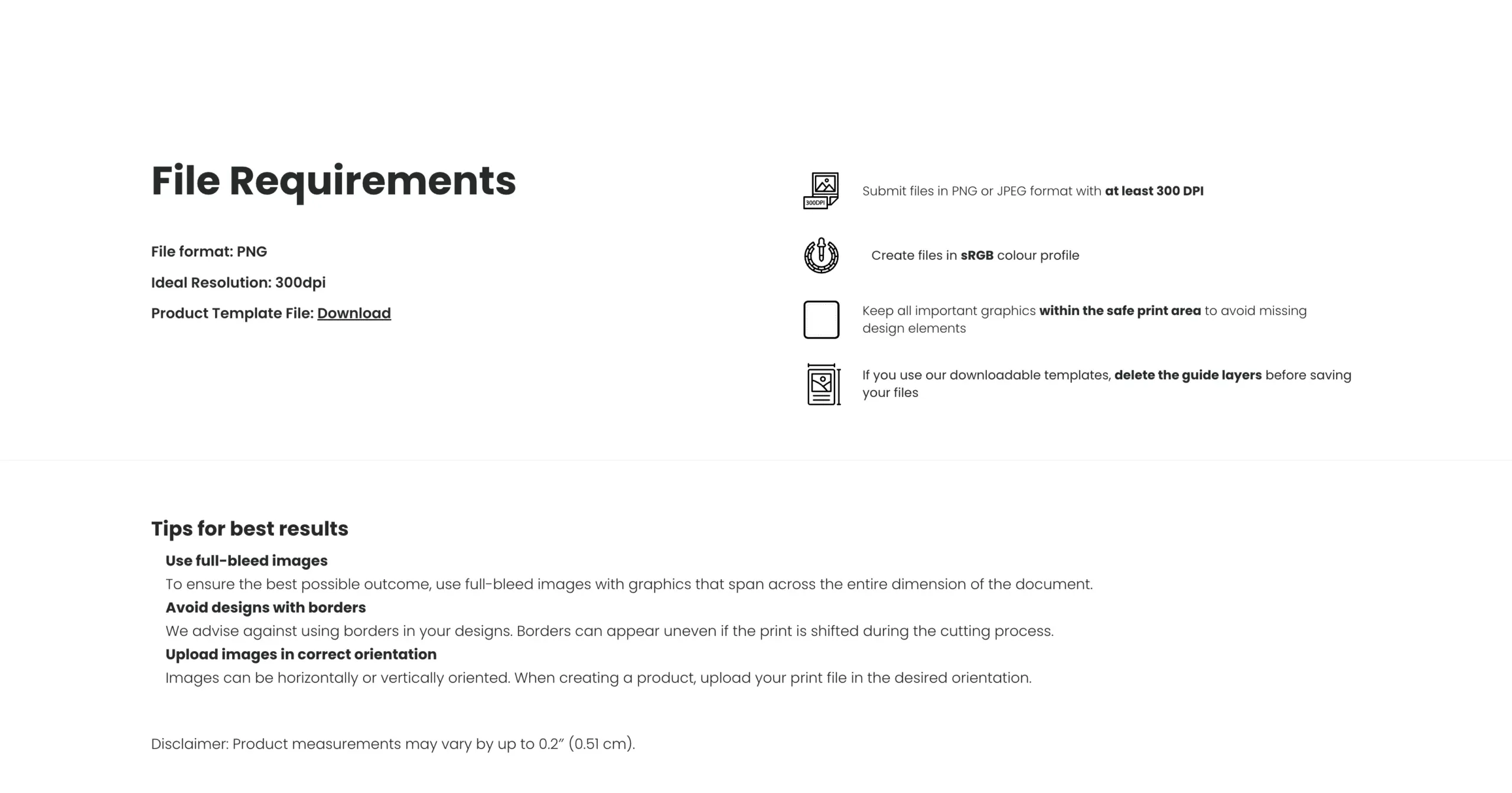
- Print File Resolution: Aim for a DPI of at least 300 for a crisp and clear print. This ensures that your prints have the same level of detail and sharpness as your original artwork.
- Color Profiles: When editing your artwork, use the CMYK color profile for accurate color reproduction. Convert the file to an sRGB color profile after the design is done, specifically to sRGB IEC61966-2.1. This helps ensure color consistency between screens and print.
- File Format: Save your file in PNG format to avoid compression loss. Alternatively, JPEG can be used if file size is a concern, but PNG is generally preferred for maintaining quality.
Decide on the Material
The material you select to create prints is as crucial as the artwork itself. Each material offers a unique texture, weight, and finish, impacting your art’s visual and tactile experience. Whether you want the classic elegance of canvas, the sleek modernity of metal, or the vibrant versatility of posters, your choice will shape how your art is perceived and enjoyed.
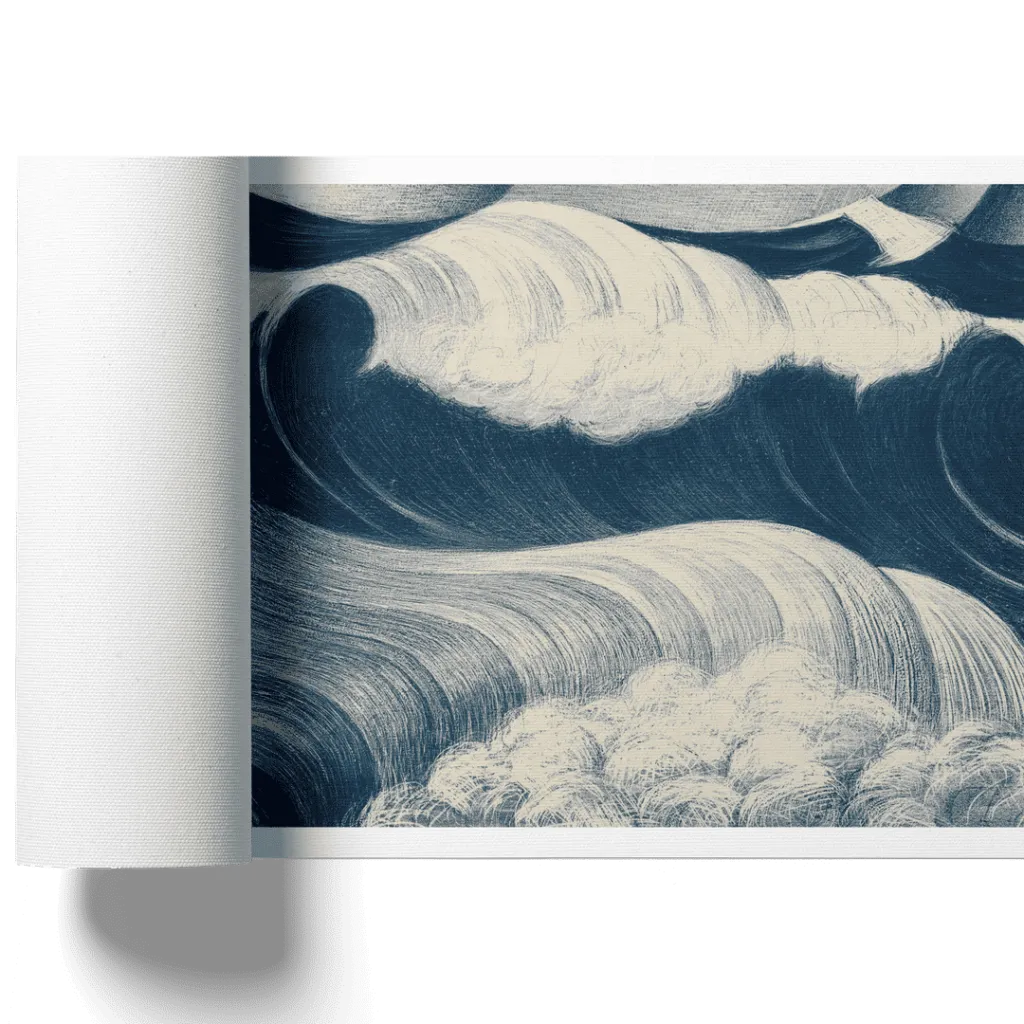
- Canvas: Canvas prints are known for their textured, three-dimensional appearance, adding depth to artwork. They are particularly popular for reproductions of paintings and offer durability and resistance to fading.
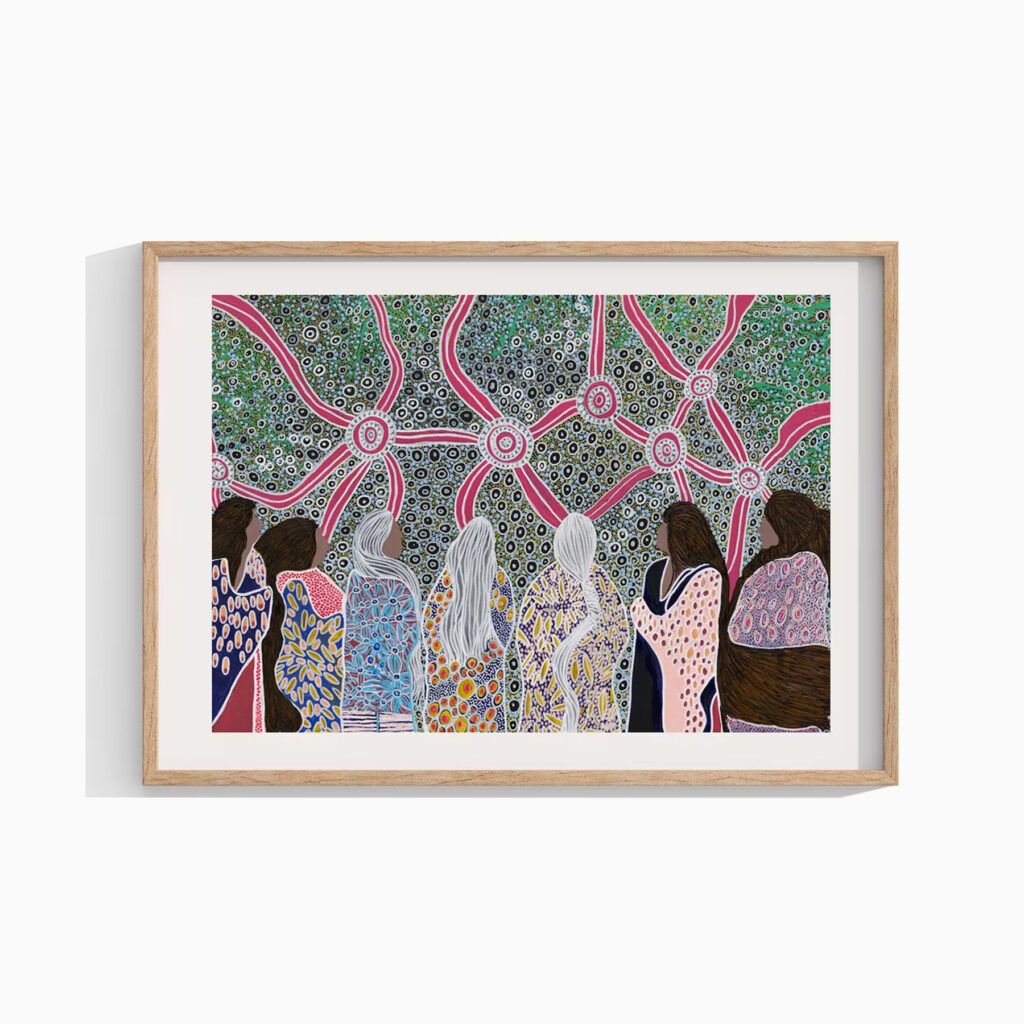
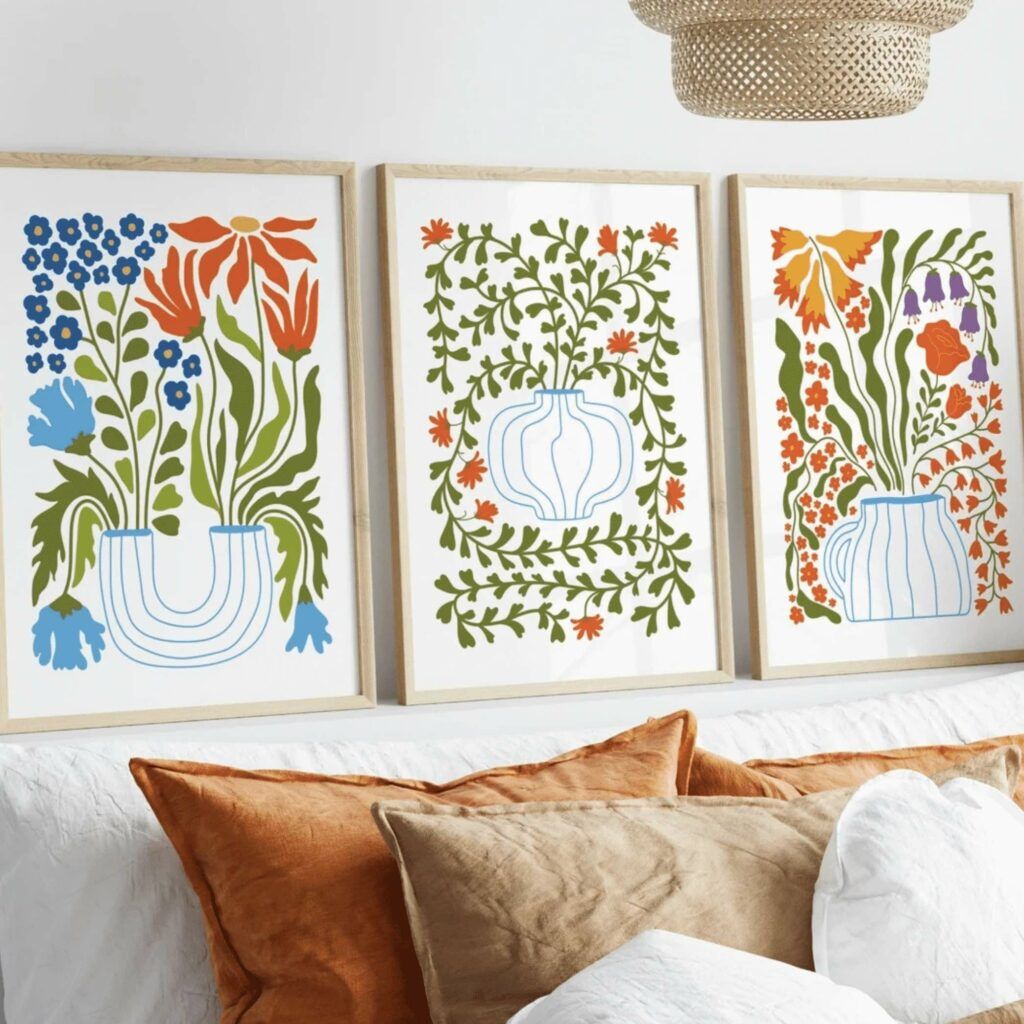
- Posters: Matte posters and art prints are ideal for fine art prints where a non-reflective finish is preferred, while luster posters add a subtle sheen that enhances the visual impact, particularly for photography.

Team Up with a Reliable Printing Company
When starting with art print selling, it’s crucial to build an excellent online reputation by offering high-quality prints and timely delivery. The best and fastest way to do this is to partner with a reliable print-on-demand (POD) dropshipping partner that understands your artistic and business needs.
Your ideal POD ally should offer:
- A hassle-free integration with your chosen marketplace or sales platform.
- An extensive selection of products that resonate with your artistic expression.
- An unwavering commitment to quality using state-of-the-art printing technology.
- Robust support and educational resources to help grow your business.
Order Your Free Sample Pack
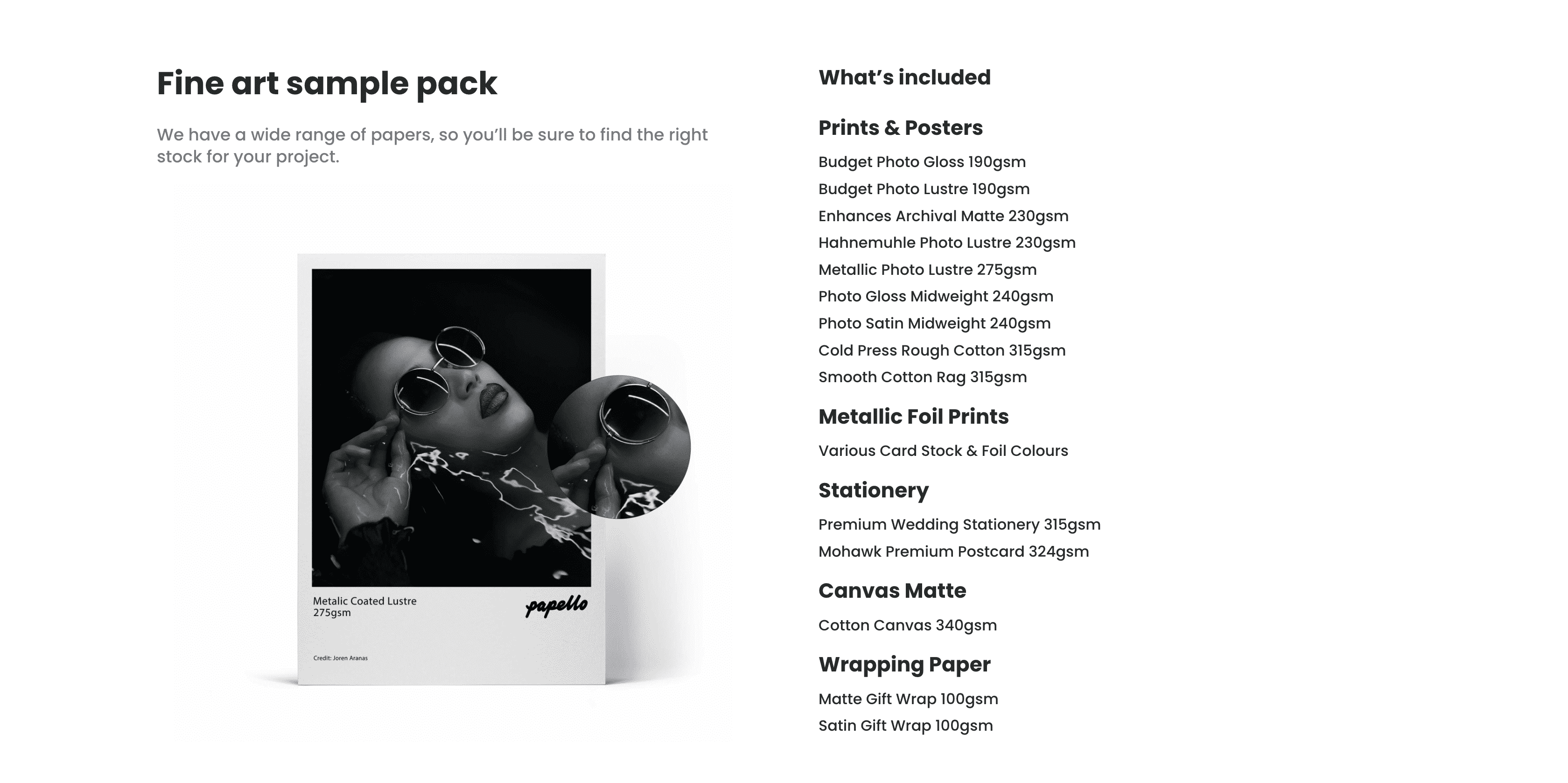
To ensure that your prints meet your expectations, Papello offers a free sample pack of all our paper stocks. This is an excellent opportunity to see the quality and variety of our paper options firsthand, helping you choose the perfect paper for your artwork. Whether you’re interested in a matte, glossy, or textured finish, the sample pack will help you decide which option best suits your artistic vision. Ordering a sample pack also helps you feel confident about the quality of the products your customers will receive.
How to Create and Sell Giclée Prints with Papello
Papello makes it easy to create and sell your giclée prints online. Here’s how you can get started:
Order Your Free Sample Pack
To ensure that your prints meet your expectations, Papello offers a free sample pack of all our paper stocks. This is an excellent opportunity to see the quality and variety of our paper options firsthand, helping you choose the perfect paper for your artwork. Whether you’re interested in a matte, glossy, or textured finish, the sample pack will help you decide which option best suits your artistic vision. Ordering a sample pack also helps you feel confident about the quality of the products your customers will receive.
- Upload Your Designs: Use your original artwork or images sourced from royalty-free websites to create your giclée prints. Papello’s platform allows you to upload your designs easily.
- Use the Free Product Mockup Generator: Papello offers a free product mockup generator that lets you create stunning visuals of your prints in real-life settings. This tool helps showcase your products in a way that appeals to buyers, whether they are looking for art for their living room or a new office space.
- Set Up Your Online Store: With Papello, you can integrate your store with popular platforms like Shopify or Etsy. This way, you can automate the order and fulfillment process, allowing you to focus on creating more art.
- Promote Your Prints: To attract buyers, promote your giclée prints through social media channels like Instagram and Pinterest. These platforms are highly visual and perfect for showcasing your products.
Tips for Pricing Your Giclée Prints
Pricing your giclée prints correctly is crucial for maximizing sales while ensuring you make a profit. Here are some tips for pricing:
- Consider Your Costs: Calculate the cost of printing, packaging, and shipping when setting your price.
- Research the Market: Look at what other artists are charging for similar giclée prints. Ensure your prices are competitive.
- Offer Limited Editions: Create limited edition giclée prints and price them higher to create exclusivity and drive demand.
Conclusion
Selling giclée prints is an excellent way for artists, designers, and small business owners to generate income from their creativity. By focusing on best-selling categories like nature, abstract art, and vintage posters, and using tools like Papello’s print-on-demand platform and mockup generator, you can build a thriving business from home. Remember to source high-quality images from royalty-free and public domain collections if needed, and create poster packs to offer more value to your customers.
Get started with Papello today and take the first step towards building a successful print-on-demand business with giclée prints that inspire and sell!