
Starting a clothing brand is an exciting venture, whether you’re an artist, entrepreneur, or designer. With the rise of print-on-demand (POD) services, launching your brand has never been easier. In this guide, we’ll cover how to start a clothing brand with everything you need to know, from defining your brand identity to marketing and scaling your business.
Building a clothing brand is more than just creating designs and putting them on t-shirts; it involves thoughtful planning, strategic marketing, and the ability to connect with your audience. Whether you want to create a high-end fashion label or a casual streetwear brand, this guide will help you understand the steps necessary to make your vision a reality.
1. Define Your Brand Identity
The foundation of a successful clothing brand is a clear and compelling brand identity. Ask yourself: what is your brand’s purpose, who are you targeting, and what message do you want your brand to convey? Having a distinct identity helps build trust, create engagement, and foster loyalty among your customers.
Why Brand Identity Matters
A strong brand identity sets you apart in a crowded market. Think about what makes your clothing unique and why people would want to buy from you instead of someone else. Whether it’s your artistic style, ethical values, or a sense of community, defining your brand’s identity will give you a roadmap for your business and help your audience connect with your vision.
Key Elements of Brand Identity
- Brand Story: Create a compelling story that explains why you started the brand, what inspires you, and how you plan to make a difference in the fashion world. This will help potential customers understand and relate to your journey.
- Mission and Values: Define the core values that will guide your brand. Are you focused on sustainability, inclusivity, or local craftsmanship? Make these values central to your messaging.
- Target Audience: Understanding your target audience is crucial. Are you designing for young adults who love streetwear, or are you targeting eco-conscious consumers looking for ethically made clothing? The more you know about your audience, the better you can tailor your products and marketing efforts.
2. Choose the Right Print-On-Demand (POD) Provider
Choosing a reliable POD partner is key to creating high-quality clothing without the hassle of managing inventory. Papello, as a print-on-demand service, offers a range of customisation options, worldwide shipping, and high-quality printing techniques that can elevate your brand.

Benefits of Print-On-Demand
With POD, you can:
- Reduce Upfront Costs: No need to invest in bulk inventory. You only print what’s ordered.
- White-Label Branding: Papello provides white-label options that allow you to brand your products as your own.
- Global Reach: With worldwide shipping, you can easily cater to international customers.
Tips for Selecting a POD Partner
- Quality of Products: The quality of your POD partner’s products reflects on your brand. Ensure the provider uses high-quality fabrics and printing techniques such as Direct to Garment printing.
- Fulfilment Speed: Quick delivery times are crucial for customer satisfaction. Look for a POD partner that offers fast and reliable fulfilment.
You can find estimated delivery dates for all our products on our product pages.
3. Set Up Your Online Store
A well-designed online store is essential for showcasing your clothing line and ensuring a smooth buying experience. Whether you use Shopify, WooCommerce, or another ecommerce platform, make sure your store is user-friendly and represents your brand.
Key Steps for Setting Up Your Store
- Research Your Options: Understand the different ecommerce platforms and choose one that suits your needs.
- Optimise for SEO: Use relevant keywords throughout your website to help your target audience find your brand online.
- Take Advantage of Resources: Papello provides guides and tools to help you get started, including tips on setting up shipping, pricing your products, and managing your store.
- Design with User Experience in Mind: Your store’s design should reflect your brand’s identity. Ensure that it is easy to navigate, with clear product categories, high-quality images, and detailed product descriptions.
Building Trust with Customers
- Customer Reviews: Display customer reviews and testimonials to build credibility.
- Clear Policies: Provide clear information on shipping, returns, and customer support. Transparency helps build trust and encourages potential buyers to make a purchase.
4. Choose Your Products Wisely
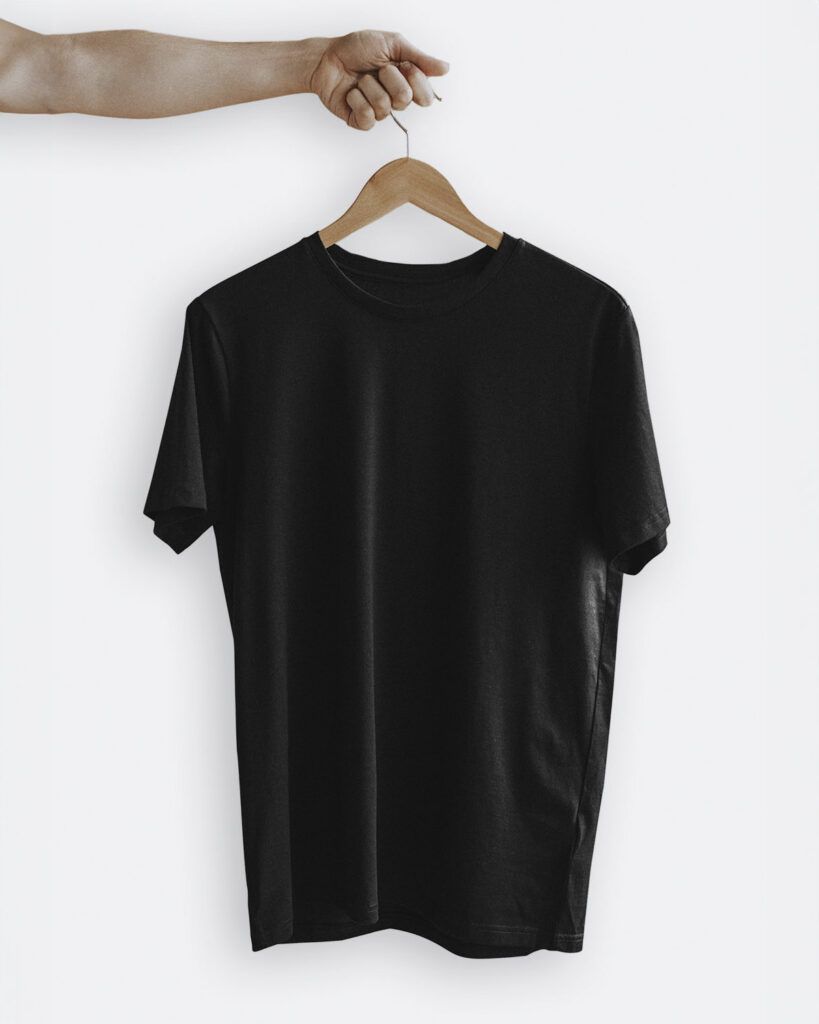
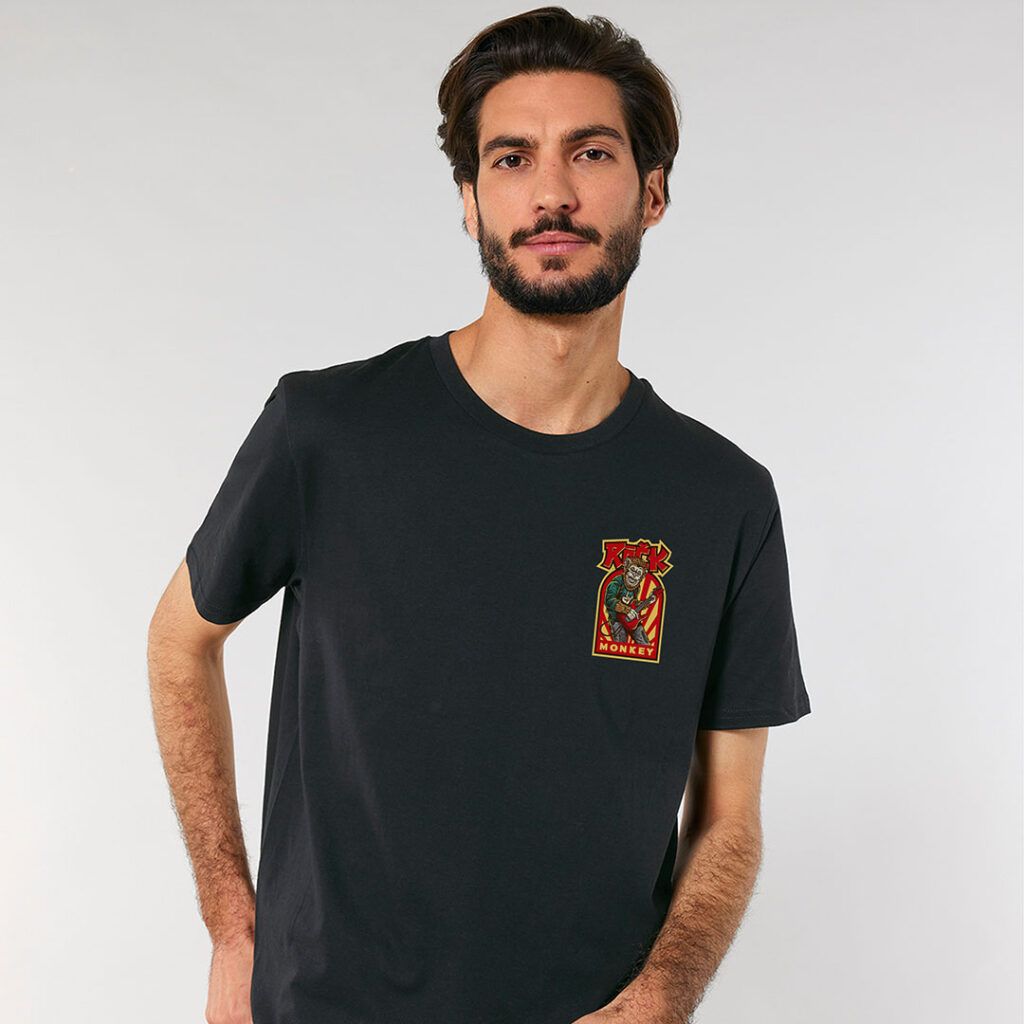
When starting out, it’s best to keep your product offerings simple. Focus on a few versatile pieces like t-shirts, hoodies, and hats. You can always expand your line as your brand grows.
Tips for Product Selection
- Start Small: Begin with a limited collection to minimise risk. You can introduce more items as your brand gains traction.
- Experiment with Customisation: Papello offers various customisation products like t-shirts, tote bags and homewares, allowing you to create unique products that reflect your brand’s personality.
- Analyse Trends: Stay updated on fashion trends and choose products that resonate with your target audience.
Product Quality Matters
- Fabric Choice: The type of fabric you choose can greatly impact your brand’s reputation. High-quality materials lead to better customer satisfaction and repeat sales.
- Product Testing: Order samples of your products to test the quality before launching them in your store. This ensures that your customers receive the best possible experience.
5. Create High-Quality Product Images
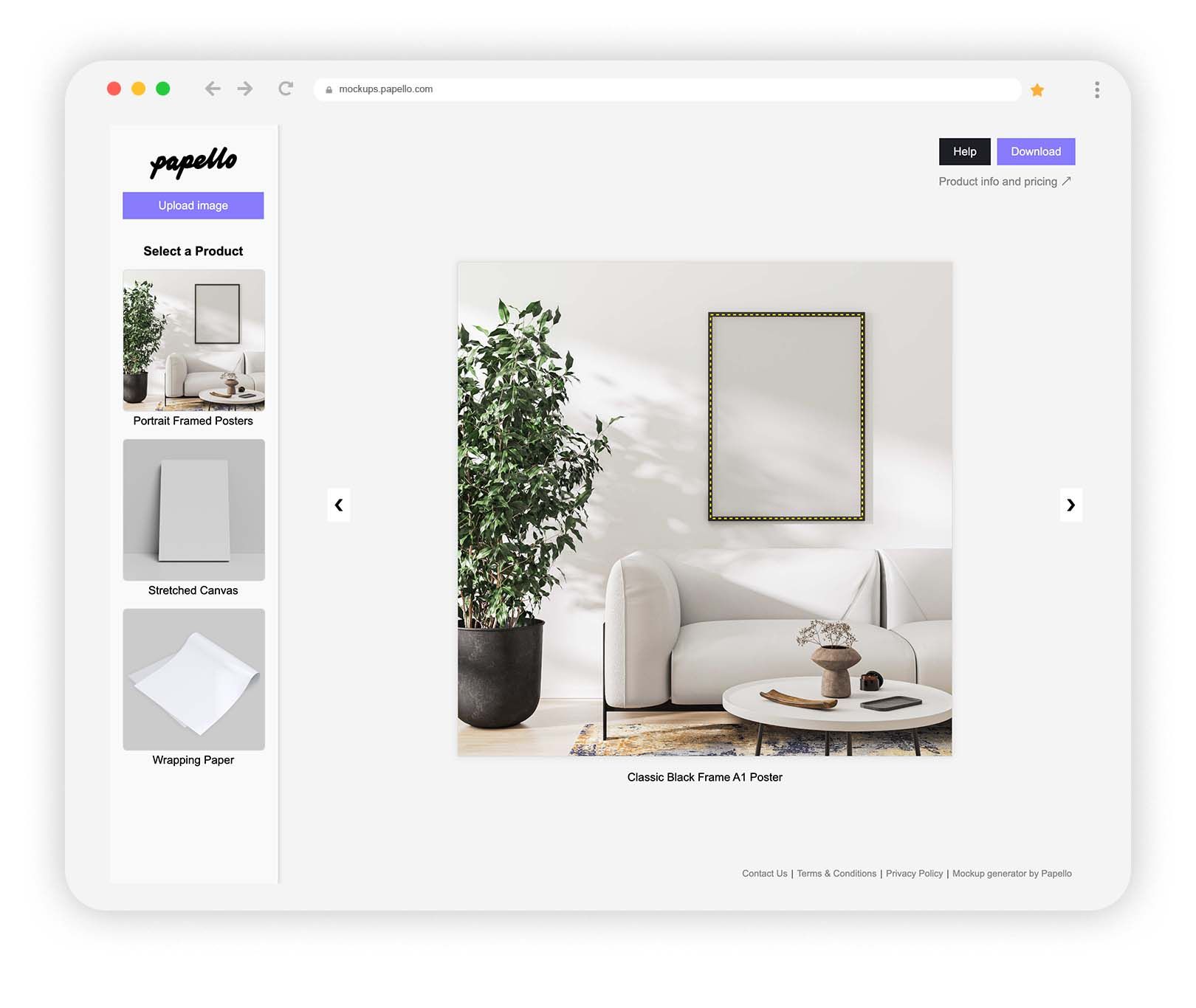
Your product images are a crucial factor in convincing customers to make a purchase. Papello offers a free product mock-up generator, which makes it easy to create professional-looking images for your online store without any design experience.
Why Product Images Matter
- Visual Appeal: High-quality images help customers visualize themselves wearing your clothing.
- Build Trust: Clear and detailed images build confidence in the quality of your products.
- Showcase Different Angles: Provide images of your products from multiple angles and include close-up shots to highlight details like stitching, fabric texture, and design features.
- Lifestyle Images: Consider including lifestyle images that show your products being worn in real-life settings. This helps customers envision how they can style your clothing.
6. Market Your Clothing Line
Once your store is set up, it’s time to spread the word about your brand. Marketing is crucial for building an audience and driving sales.
Effective Marketing Strategies
- Leverage Social Media: Platforms like Instagram, TikTok, and Twitter are great for sharing your products, connecting with customers, and building brand awareness. Create engaging content like styling videos, behind-the-scenes footage, and customer testimonials.
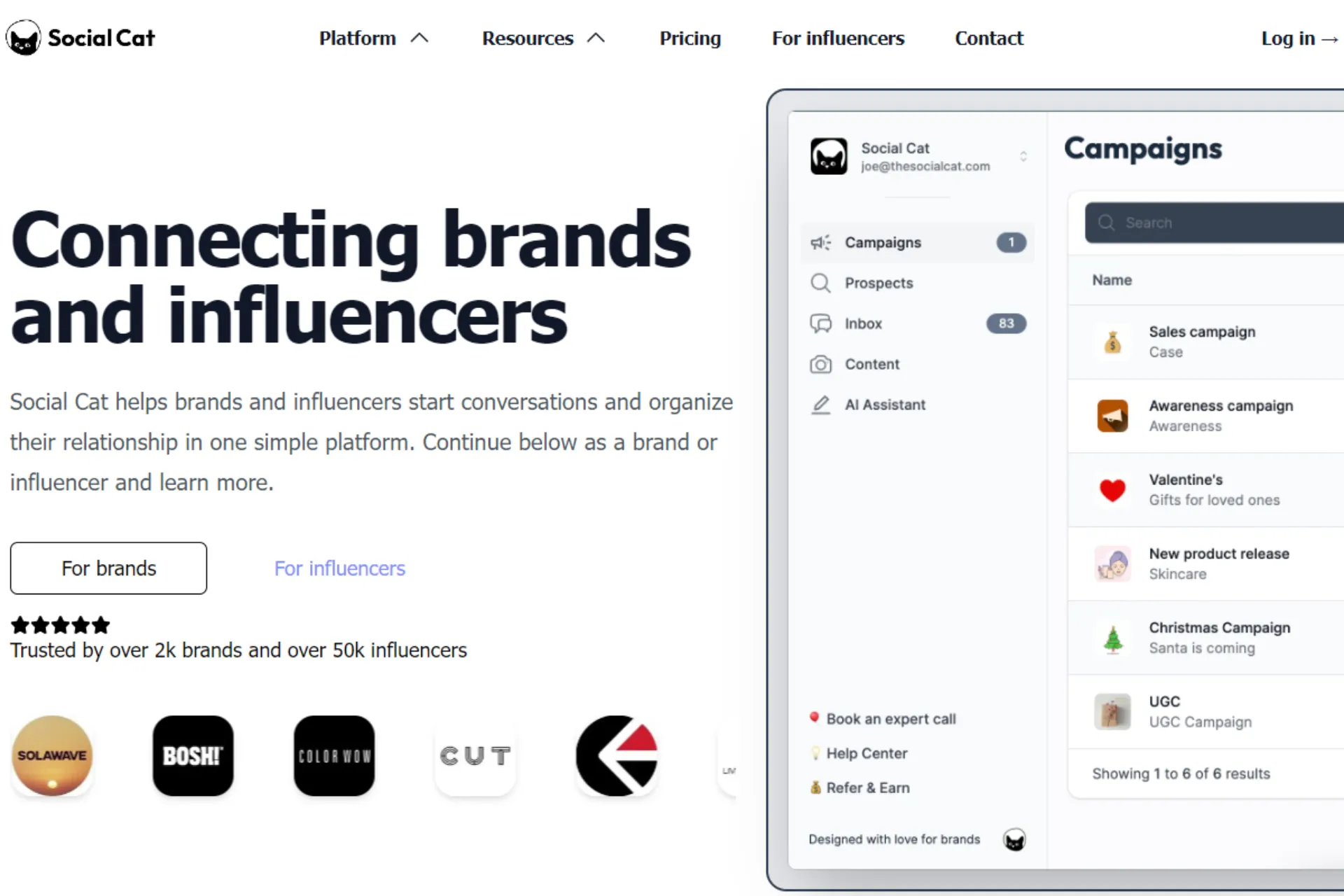
- Collaborate with Influencers: Partnering with micro-influencers in your niche can help you reach a larger audience. Influencers can introduce your brand to their followers, increasing your visibility and credibility. Platforms such as Social Cat and GRIN are a good place to start.
- Run Promotions and Giveaways: Offer discounts or run contests to attract attention and boost sales. Giving away a free sample or running a social media giveaway can help generate interest in your brand.
- Email Marketing: Build an email list and send out newsletters with updates about new products, upcoming sales, and exclusive offers. Email marketing is a powerful tool for nurturing relationships with your customers and encouraging repeat purchases.
Content Marketing
- Blog Posts: Write blog posts about fashion trends, styling tips, or the story behind your brand. This not only helps with SEO but also establishes your brand as an authority in the industry.
- User-Generated Content: Encourage your customers to share photos of themselves wearing your products and tag your brand. Feature these photos on your social media and website to create a sense of community.
7. Boost Sales with Authentic Engagement
Engaging authentically with your audience can set your brand apart from the competition. Respond to comments, share user-generated content, and interact with your followers regularly.
Building Customer Loyalty
- Personal Interaction: Reply to customer inquiries, thank them for their support, and engage with their posts about your products.
- User-Generated Content: Encourage customers to tag your brand when they post pictures wearing your clothing. This kind of organic promotion helps build credibility and authenticity.
- Customer Loyalty Programs: Consider creating a loyalty program that rewards repeat customers with discounts or exclusive perks. This can encourage more sales and foster a loyal customer base.
Community Engagement
- Engage with Local Events: Participate in local markets, pop-up shops, or fashion shows to increase brand awareness in your community.
- Host Virtual Events: Host virtual styling sessions or Q&A sessions on social media to connect with your audience and provide value beyond just your products.
8. Order Your Free Sample Product
To ensure your products meet your quality standards, Papello offers a free sample product for ecommerce shop owners*. Seeing your designs printed on actual products helps you gauge the quality and make any necessary adjustments before launching to a broader audience.
*requirements apply
Conclusion
Starting a clothing brand can be both exciting and challenging, but with the right tools, partners, and strategies, you can create a successful and sustainable business. Papello is here to support your journey from defining your brand to creating high-quality, custom clothing. Focus on building a strong brand identity, choose your products wisely, and market authentically to make your clothing brand thrive.
Remember, success doesn’t happen overnight, but with consistency, creativity, and dedication, your clothing brand can grow into something truly remarkable. Ready to take the first step? Start creating with Papello today!