
When it comes to showcasing and selling your artwork, choosing the right type of print is essential. Among the various types of prints available, giclée prints and regular prints are two popular options, but they offer distinct differences in quality, durability, and overall visual appeal. Whether you are an artist, a designer, or an art collector, understanding these differences can help you make informed decisions about your prints and ensure your work is presented in the best possible way.
We’ll dive into what sets giclée prints apart from regular prints, including the advantages of each, how they are produced, and why giclée prints are considered the gold standard for fine art reproductions.
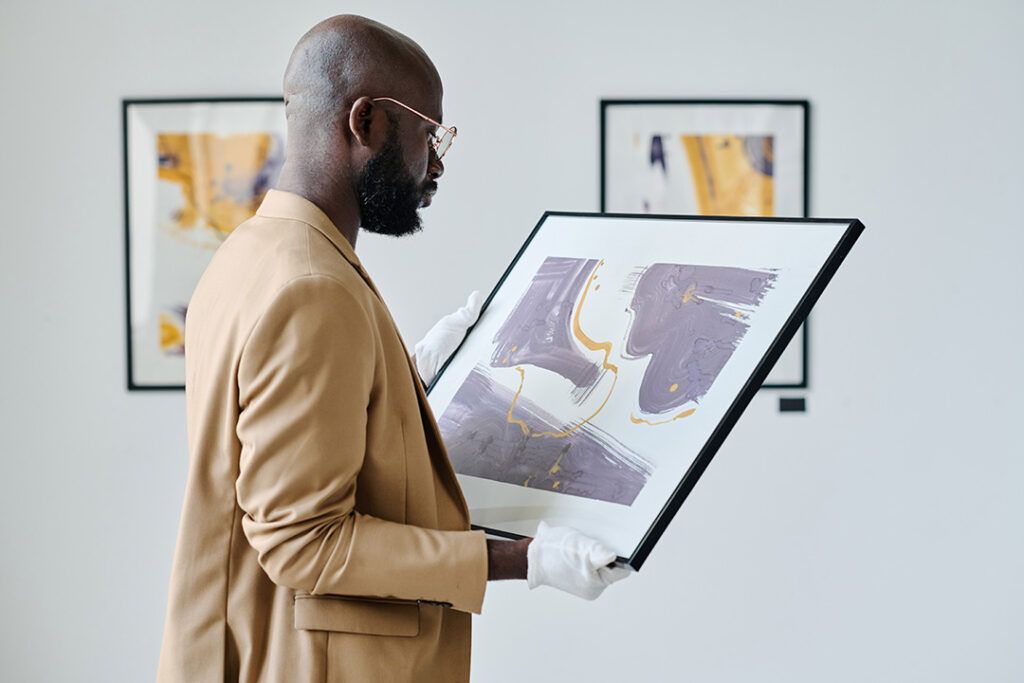
1. What Are Giclée Prints?
Giclée (pronounced “zhee-clay”) is a term derived from the French word “gicler,” meaning to spray or squirt. This name reflects the inkjet printing process used to create giclée prints, which involves spraying microscopic droplets of ink onto high-quality paper or canvas. Giclée prints are widely recognised for their exceptional colour accuracy, detail, and longevity, making them a popular choice among artists, photographers, and galleries.
Key Features of Giclée Prints
- Archival Quality: Giclée prints are produced using archival-grade inks and papers, which ensures that they are resistant to fading and degradation over time. This makes them an ideal choice for artists who want their work to last for decades without losing vibrancy.
- High Resolution: Giclée printers use high-resolution files to create prints with a resolution of at least 300 DPI (dots per inch), resulting in sharp, detailed images that accurately reproduce the artist’s original work.
- Wide Colour Gamut: The pigment-based inks used in giclée printing provide a broader colour gamut compared to regular prints, allowing for more accurate colour reproduction and richer tonal transitions.
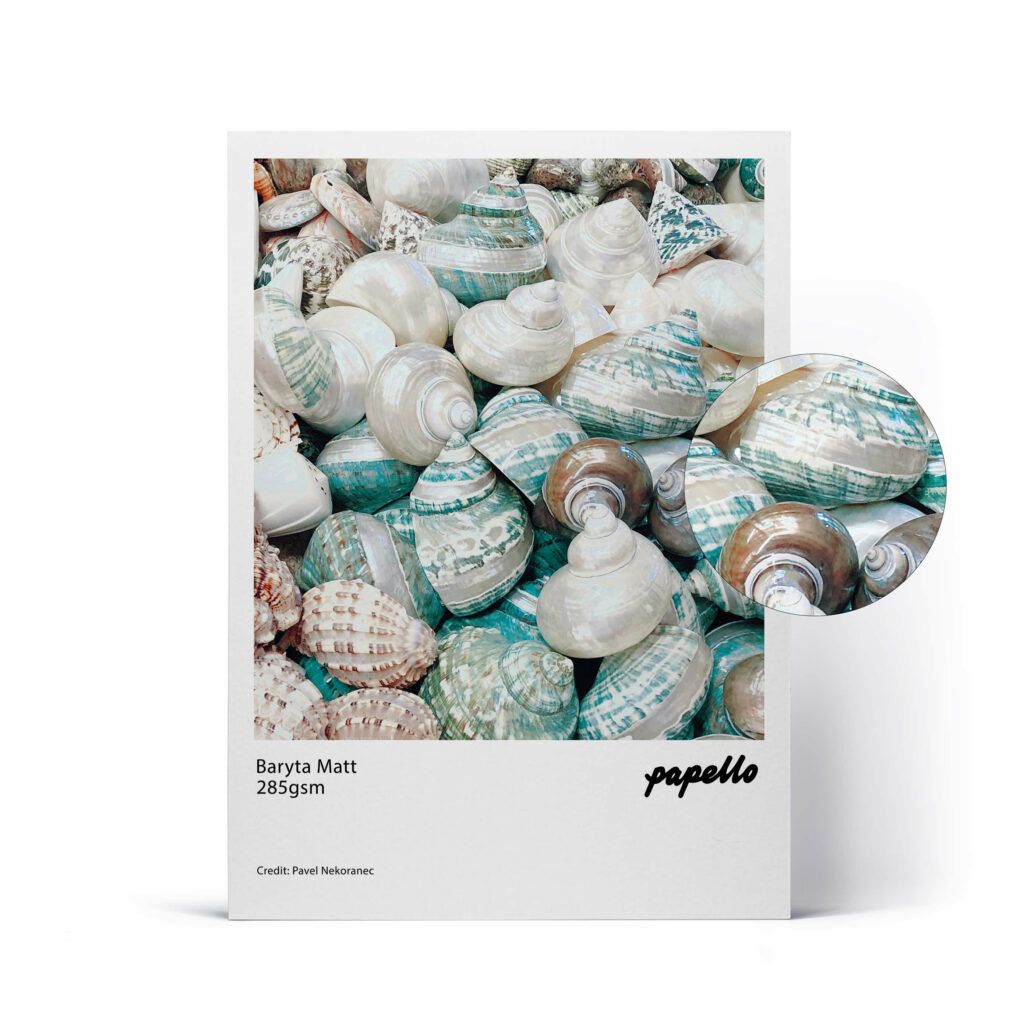
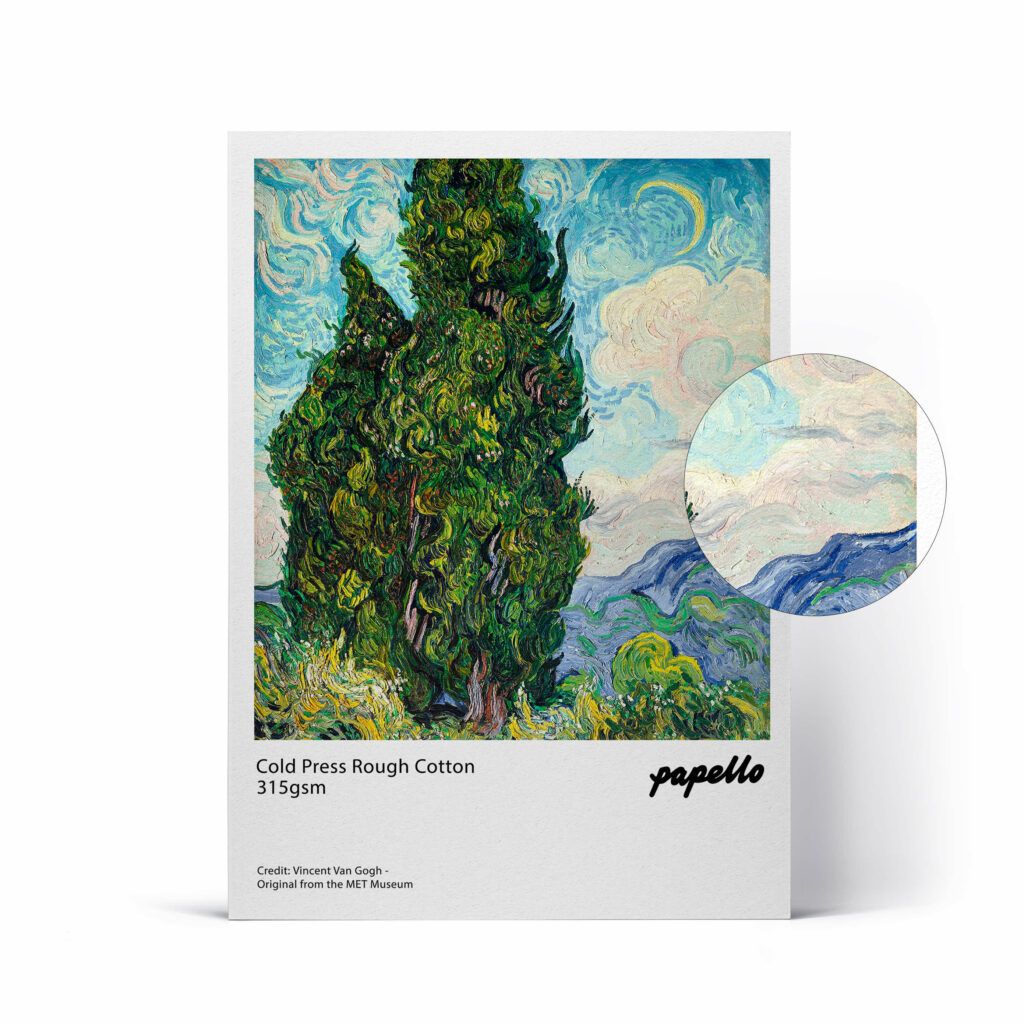
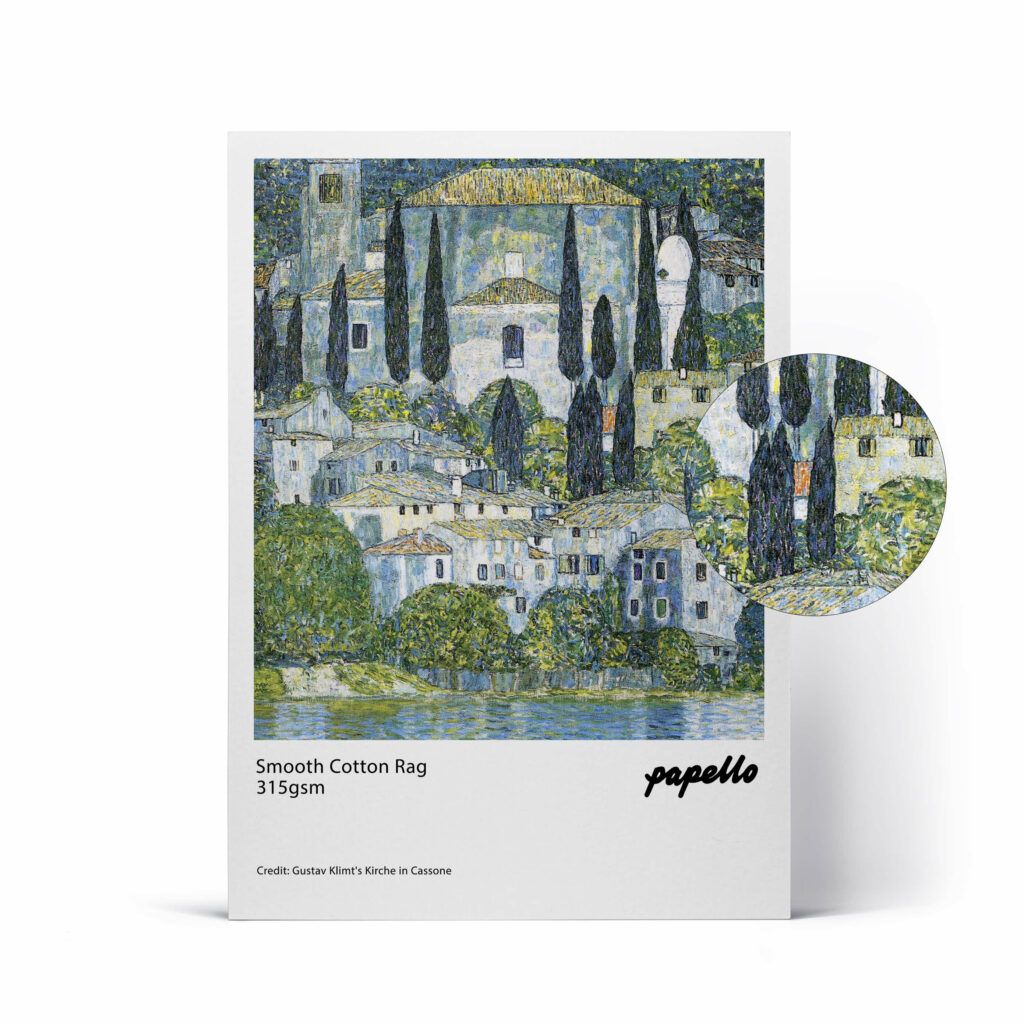
- Premium Materials: Giclée prints are typically created on fine art papers or canvas that are specifically designed to absorb the ink and preserve the quality of the print.
- Lower Cost: Regular prints are produced using less expensive materials and printing methods, making them a cost-effective option for high-volume production.
- Different Printing Methods: Regular prints can be produced using offset printing, which involves transferring ink from a plate to a rubber sheet and then onto paper, or digital laser printing, which uses toner instead of liquid ink.
- Limited Colour Range: The inks used in regular printing typically have a limited colour range compared to the pigment-based inks used in giclée printing. This can result in less accurate colour reproduction and a lower overall quality of the print.
- Shorter Lifespan: Regular prints are not typically created with archival materials, which means they are more prone to fading, yellowing, or deteriorating over time.
3. Comparing Giclée Prints and Regular Prints
Print Quality
The quality of giclée prints is unmatched when it comes to reproducing fine details and vibrant colours. Giclée prints are produced with high-resolution files and archival-quality inks, ensuring that every detail of the original artwork is captured accurately. Regular prints, on the other hand, are often limited by the type of ink and printing method used, which can result in a noticeable difference in detail and colour accuracy.
| Aspect | Giclée Prints | Regular Prints |
|---|---|---|
| Ink Type | Pigment-based, archival quality | Dye-based or toner |
| Colour Gamut | Wide, vibrant, accurate | Limited, less vibrant |
| Print Longevity | 70–100 years without fading | 5–10 years, prone to fading |
| Paper Quality | Fine art paper or canvas | Standard paper |
| Resolution | High (300 DPI or more) | Medium to low |
| Cost | Higher, reflects quality | Lower, suitable for bulk orders |
Durability
When it comes to durability, giclée prints are the clear winner. Thanks to the use of archival-quality inks and papers, giclée prints are designed to last for many decades without significant fading or deterioration. This makes them an excellent choice for artists and collectors who want their prints to stand the test of time. Regular prints, by contrast, are typically not made with longevity in mind and may begin to show signs of fading or yellowing within a few years.
Cost and Accessibility
The cost difference between giclée prints and regular prints is significant. Giclée prints are more expensive due to the high-quality materials and specialized printing process used. They are often viewed as an investment piece for art collectors or as a way for artists to offer high-quality reproductions of their work. Regular prints, on the other hand, are much more affordable and are well-suited for mass production and everyday use.
4. Why Choose Giclée Prints?
Giclée prints are the gold standard for fine art reproductions and are favoured by artists, photographers, and galleries for a variety of reasons:
- Professional Quality: Giclée prints are capable of replicating the artist’s original work with remarkable precision, making them an ideal choice for selling limited edition prints or displaying in galleries.
- Longevity: With a lifespan of up to 100 years, giclée prints are perfect for those who want to preserve their artwork for generations.
- Customization: Artists have more control over the final product, including the choice of paper, finishes, and colour corrections, ensuring that the print meets their standards.
5. When Are Regular Prints the Better Option?
While giclée prints are often the preferred choice for fine art, there are scenarios where regular prints might be the better option:
- Mass Production: If you need a large number of prints for promotional materials, posters, or flyers, regular prints are more cost-effective and practical.
- Temporary Displays: For events, exhibitions, or marketing campaigns that don’t require long-term durability, regular prints provide a more affordable solution.
- Budget-Friendly: For customers who are looking for affordable art prints for their home, regular prints can offer a visually appealing yet budget-conscious option.
6. How Papello Can Help You Create Stunning Giclée Prints
At Papello, we offer high-quality giclée pr’inting services that cater to artists, designers, and photographers looking to create beautiful, long-lasting prints. Our giclée prints are made using archival-grade inks and premium fine art paper, ensuring that your work is reproduced with the utmost quality and care.
Free Sample Pack
We understand the importance of choosing the right materials for your prints. That’s why we offer a free sample pack of all our paper stocks. This allows you to see and feel the quality of our giclée papers before making a decision, ensuring that you select the perfect paper for your artwork.
Why Choose Papello for Your Giclée Prints?
- High-Quality Materials: We use only the finest archival-grade papers and pigment-based inks to produce prints that are rich in colour and detail.
- Custom Options: Our giclée printing service allows you to customise your prints, including size, paper type, and finishes, to match your artistic vision.
- Easy Online Ordering: Our online platform makes it simple to upload your artwork, select your print preferences, and order your prints from the comfort of your home.
7. Giclée Prints vs. Regular Prints: Which Is Right for You?
Choosing between giclée prints and regular prints ultimately depends on your goals and budget. If you are an artist or photographer looking to offer your work as high-quality, limited-edition prints, or if you want to display your art in a gallery setting, giclée prints are the best choice. Their superior quality, longevity, and vibrant colours make them a worthwhile investment.
On the other hand, if you need affordable prints for promotional purposes or temporary displays, regular prints are a practical option. They are cost-effective and can still provide a visually appealing representation of your work, albeit without the same level of detail and longevity as giclée prints.
Conclusion
Giclée prints offer unparalleled quality, longevity, and vibrant colours, making them an ideal choice for artists, photographers, and collectors who want to preserve their work for generations. While regular prints are a more budget-friendly option suitable for temporary displays or high-volume production, they do not provide the same level of detail or durability. Ultimately, the choice between giclée and regular prints depends on your needs, budget, and the intended purpose of the print. By understanding the key differences, you can make an informed decision that best showcases your artwork and meets your goals.